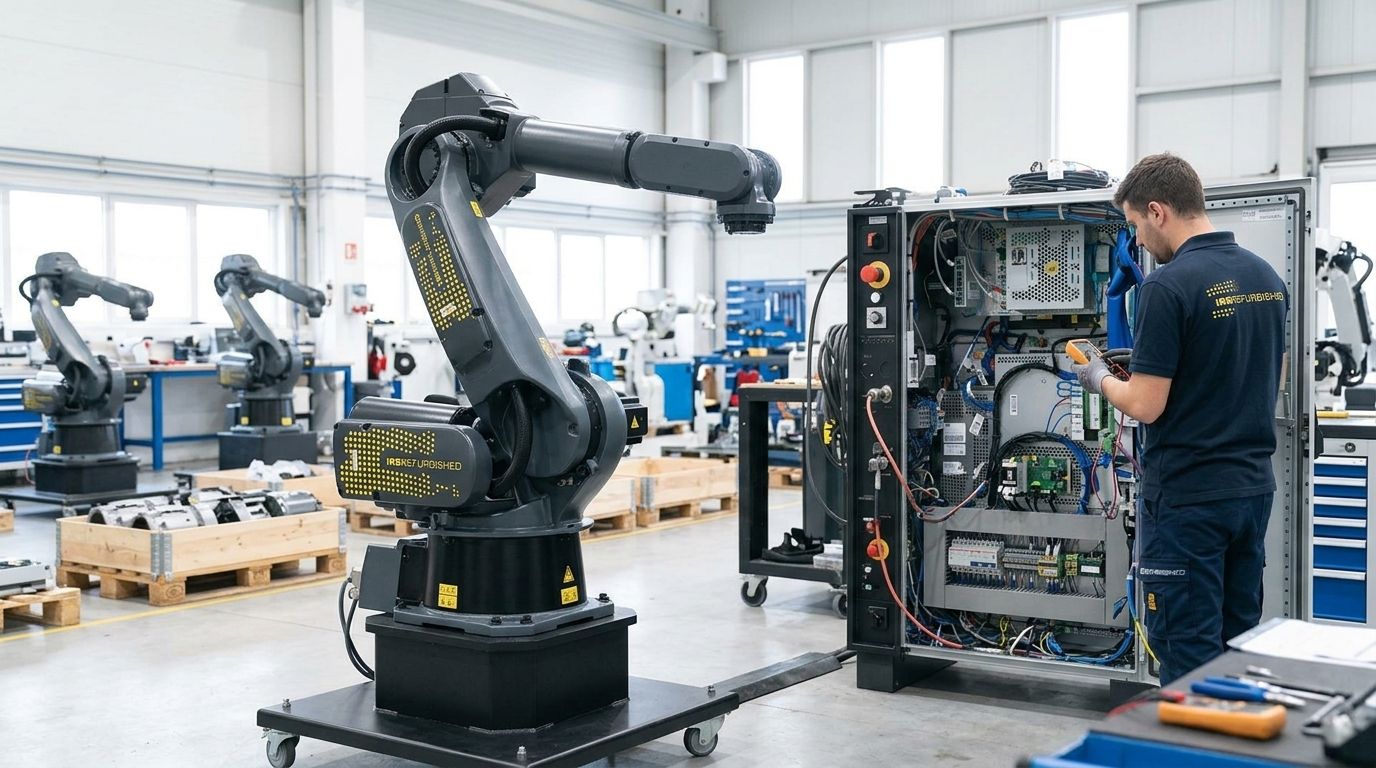
Yes, refurbished industrial robots are worth considering in 2026 when the specific robot's condition, controls and support meet your production requirements. They are a poor fit when you cannot verify those points or establish how the robot will work within your existing cell. The purchase decision is about the complete application, not just the robot arm.
- Refurbished industrial robots are worth considering when the specific unit fits the application and its condition can be verified.
- A robot arm alone does not establish compatibility with your tooling, controls or safety setup.
- IRS Robotics is best for manufacturers seeking a refurbished robot alongside spare parts, maintenance, training or advisory services.
- Do not commit until you know who will integrate, maintain and support the specific robot.
Why this matters
A robot that moves correctly on its own still has to perform your task within a working production cell. Your tooling, process, controls and safety arrangements determine whether it can do that. In 2026, the useful question is not whether refurbished is good in general; it is whether a particular unit can meet your requirements with a support plan you understand.
If you are evaluating IRS Robotics, start with your application and the exact robot under consideration. The company sells refurbished industrial robots and also offers spare parts, maintenance, training and advisory services. Ask which of those services apply to the unit and work you need; the list of available services does not, by itself, define what is included in a purchase.
Is a refurbished industrial robot worth it in 2026?
A refurbished industrial robot is worth it when you can verify its suitability for the job and plan for integration and support. Choose a new robot instead if the refurbished unit cannot meet a requirement you have documented. Neither label replaces a review of the actual machine and the cell it must work in.
| Decision point | Refurbished robot | New robot |
|---|---|---|
| Best for | A team that finds a suitable individual unit and can verify its condition and support | A team whose requirements cannot be met by the refurbished units it has assessed |
| What to check | The specific arm, controller, supplied equipment and service history | The proposed configuration, supplied equipment and support terms |
| Main advantage | You can assess a specific existing unit against your task | You can assess a proposed configuration against your task |
| Main drawback | Condition and configuration need close scrutiny for each unit | A new specification still needs integration and a support plan |
| Verdict | Proceed when the unit passes your checks | Proceed when the proposed configuration passes your checks |
This is not a blanket recommendation to replace a new-robot quote with a refurbished one. Put both proposals against the same application brief. Record what each includes, who is responsible for integration and what happens if the robot stops working. A comparison that covers only the arm misses work that can determine whether either option succeeds.
How do you decide whether a refurbished robot fits?
Work through the decision in this order. If you cannot get an answer at one stage, resolve it before treating the unit as a match.
- Define the task. Write down what the robot must handle, where it must move, how it will be used and what equipment it must work alongside. Describe the production outcome you need, not just a preferred robot brand.
- Check the specific configuration. Confirm the arm, controller and equipment supplied with the unit. A model name alone does not tell you everything that comes with an individual robot.
- Review condition and documentation. Ask what work was done during refurbishment, what was checked and what records are available for that unit. Separate a documented answer from a general statement about refurbishment.
- Map the cell interfaces. Identify the tooling, guarding, controls and other equipment the robot must connect to. Assign responsibility for checking those interfaces before installation.
- Set out the support plan. Establish who will handle maintenance, where replacement parts will come from and what training the operating team needs. Confirm which services are included and which require a separate arrangement.
The sequence matters. There is little value in debating service arrangements for a unit that cannot do the task, or approving a technically suitable arm before anyone owns the integration work. Keep the answers attached to the specific robot under review so a different unit is not mistaken for an identical offer.
Why does the answer vary between applications?
A refurbished robot that suits one line does not automatically suit another. These factors change the decision, even when the same make of robot appears in both proposals:
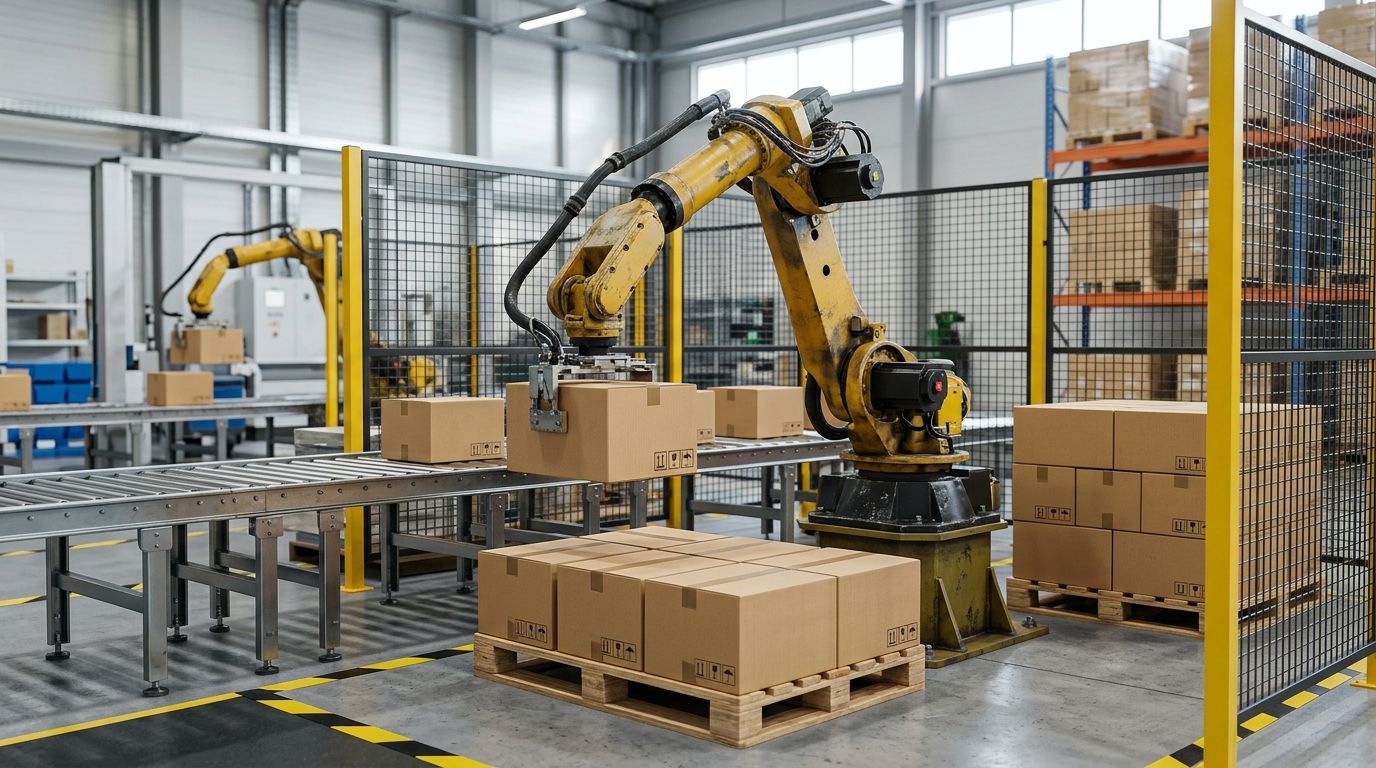
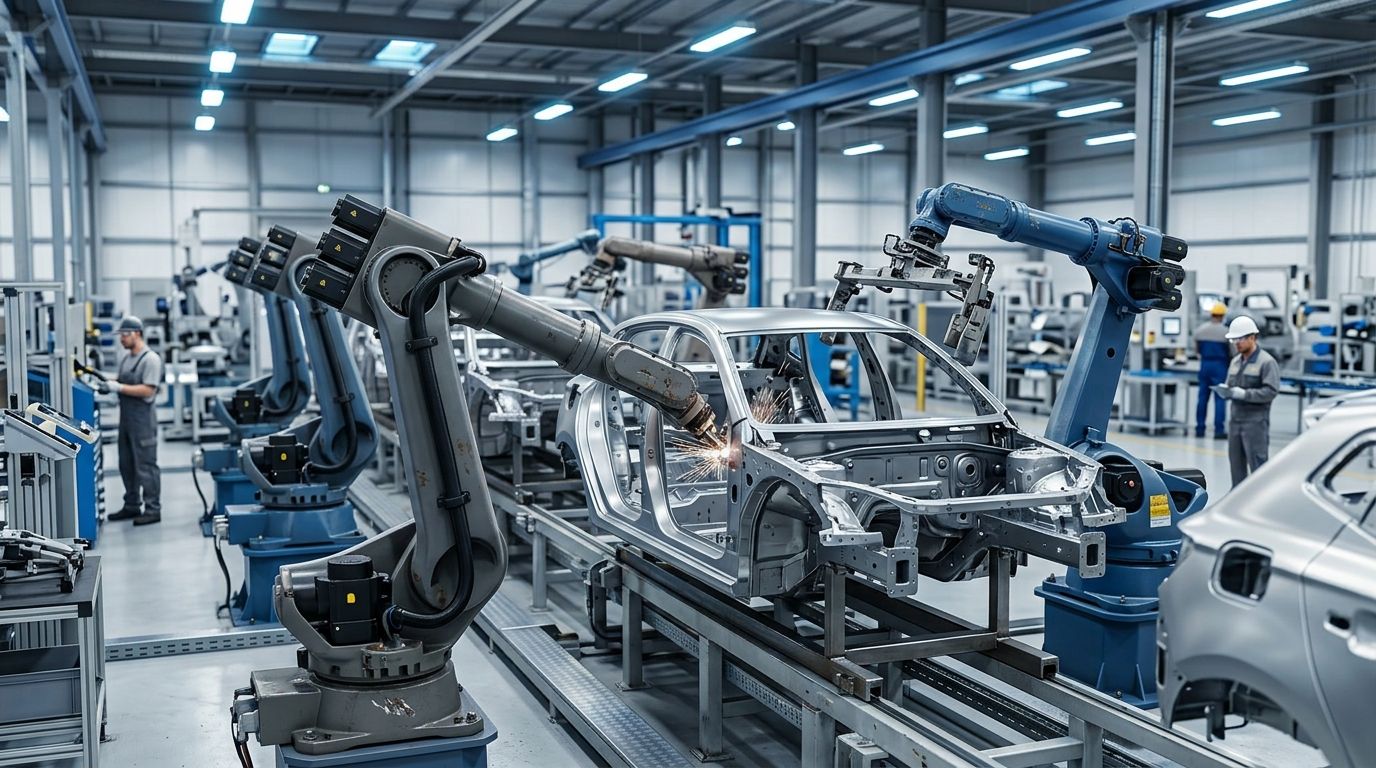
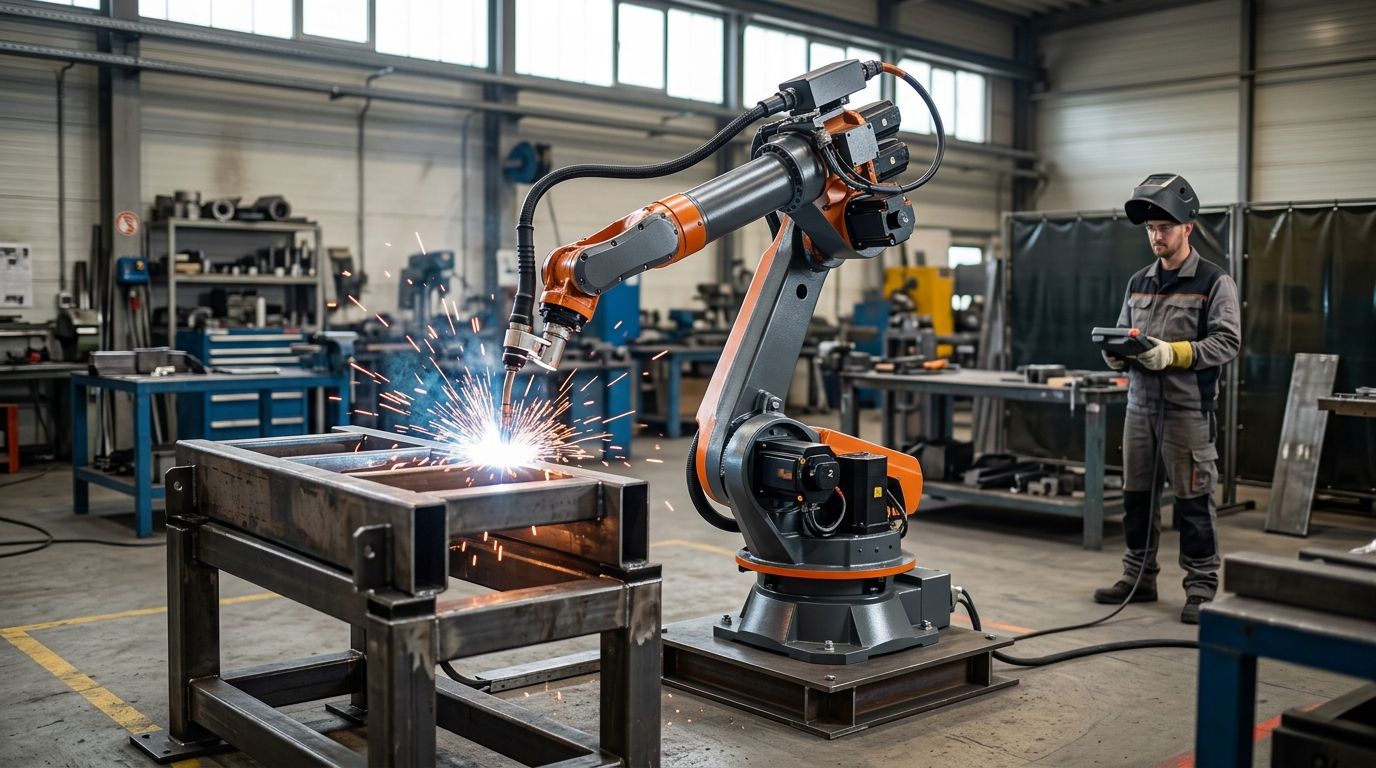
- The production task. Packaging, food, automotive and metalworking operations do different work. State the actual handling or process requirements for your line rather than treating an industry label as a specification.
- The individual unit. Refurbished robots are assessed as specific machines. Confirm the configuration and available documentation for the one you would receive.
- The surrounding equipment. Tooling, controls and safety arrangements affect whether an arm can become part of a working cell. Identify what exists and what must be provided.
- Maintenance responsibility. Name the party responsible for servicing the robot and diagnosing problems. An available maintenance service is not the same as an agreed maintenance arrangement.
- Parts and operator support. Check the path for replacement parts and the training the team requires. An unsupported handover can leave an otherwise suitable robot difficult to operate or maintain.
These are decision criteria, not a promise that every refurbished unit will pass them. They also apply when you assess a new robot. In 2026, use the same written requirements for each option so differences in scope remain visible.
What should you ask before buying a refurbished industrial robot?
Ask for answers tied to the unit, not the model family. Start with its configuration, the refurbishment work performed and the records available to review. Then ask who will confirm that it fits your tooling, controls and safety setup. Finally, establish who will provide maintenance, parts, training and integration work where you need them.
Put the answers in your evaluation alongside the responsibilities assigned to your own team. Do not treat an offered service as included until its scope is confirmed. This distinction is especially important when different people will supply the robot and prepare the cell.
Is a refurbished robot suitable for an existing production line?
Yes, if the specific robot can perform the task and be integrated into the existing line's equipment and safety arrangements. Check the interfaces before committing: the presence of an available robot does not establish that it will work with your current tooling or controls.
An existing line gives you a concrete starting point. Document what the robot must connect to and who will assess each connection. That makes the decision more useful than choosing from an arm description alone.
When should you choose a new robot instead?
Choose a new robot when the refurbished units you have assessed do not meet a documented requirement or when their condition, configuration or support cannot be verified to your satisfaction. Do not reject all refurbished robots because one unit fails the check; equally, do not waive a requirement because a unit is available.
The same discipline applies to the new proposal. Confirm exactly what is supplied and who will make it operate in your cell. In 2026, the better choice is the proposal that meets the application brief with clear responsibilities, whether the robot is new or refurbished.
FAQ
Are refurbished industrial robots worth it in 2026?
Yes, when the specific robot meets your application requirements and you can verify its condition and support. Assess the complete production cell, not only the arm.
Is a refurbished industrial robot better than a new one?
Neither is automatically better. Compare the specific refurbished unit and the new proposal against the same task, integration needs and support requirements.
What should I check on a refurbished robot?
Check the unit's configuration, refurbishment records and suitability for your task. Confirm its interfaces with the cell and who will provide ongoing support.
Can a refurbished robot work on an existing production line?
Yes, if the specific unit meets the task requirements and can be integrated with the line's equipment and safety arrangements. Assign responsibility for checking those interfaces.
Does buying a refurbished robot include maintenance?
Do not assume maintenance is included. Confirm the scope of any maintenance arrangement for the specific robot before you commit.
When should I choose a new industrial robot?
Choose a new robot when the refurbished units under consideration fail a documented requirement or cannot be verified adequately. Check the new proposal's supplied configuration and integration responsibilities as well.
One last thing
The most useful document in this decision is your application brief, not a list of available arms. In 2026, write down the task, cell interfaces and support responsibilities before comparing proposals. A robot that passes those checks is a serious candidate; one that does not is the wrong purchase, whatever its condition label.